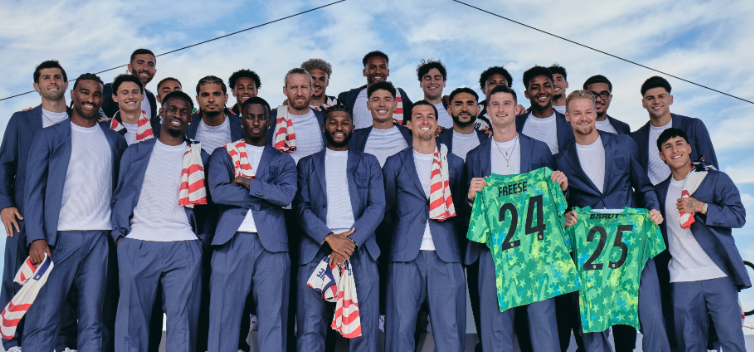
Latino Golazo : What U.S. Soccer Teaches Us About America’s Drive for Excellence
As the U.S. Men's National Team takes on Belgium tonight, its Latino players and Argentine coach show what happens when talent is judged on performance alone. Health research should follow the same rule, because Latino excellence delivers wherever it gets the roster spot.
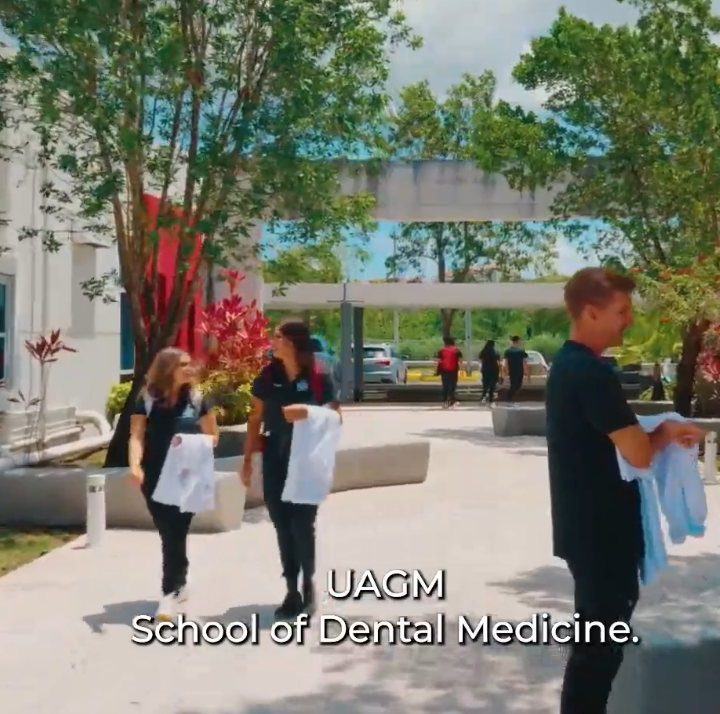
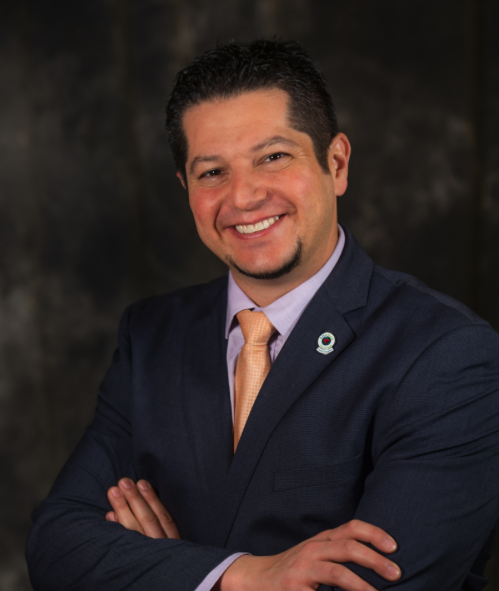
World Cup is Coming and So Are the Crowds
Millions of fans, dozens of nations, and one massive public health moment: Dr. Ilan Shapiro is sounding the alarm that the 2026 FIFA World Cup isn't just the world's greatest sporting spectacle — it's a live stress test for global disease surveillance. Writing with the urgency of a clinician who has seen what happens when crowds and pathogens meet, Shapiro zeroes in on three threats that deserve attention before the first whistle blows.
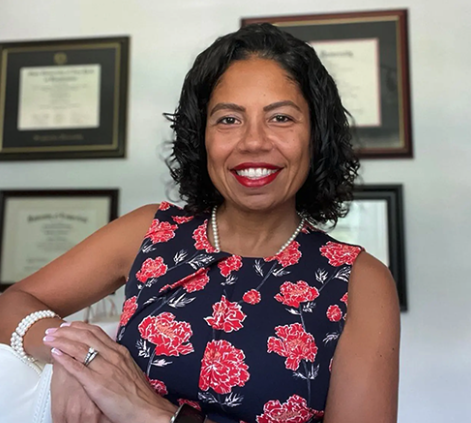
Community-Led Research Means Hispanic Nurses Need to Design It
Hispanic nurses are the cultural backbone of care in their communities, yet they are systematically excluded from designing the research that affects those communities. Loarte-Rodriguez proposes creating a National Hispanic Nurse Research Consortium that connects nursing schools, health systems, community organizations, and funders with the infrastructure, multi-year capital, and shared governance needed to produce durable results rather than isolated pilots.
Tina Loarte-Rodriguez is a Pozen-Commonwealth Fund Fellow and Executive MBA candidate at Yale School of Management, where she focuses on health equity innovation, capital strategy, and cross-sector collaboration.
She is a board member of the Hispanic Health Council and partners with organizations serious about transforming healthcare systems.
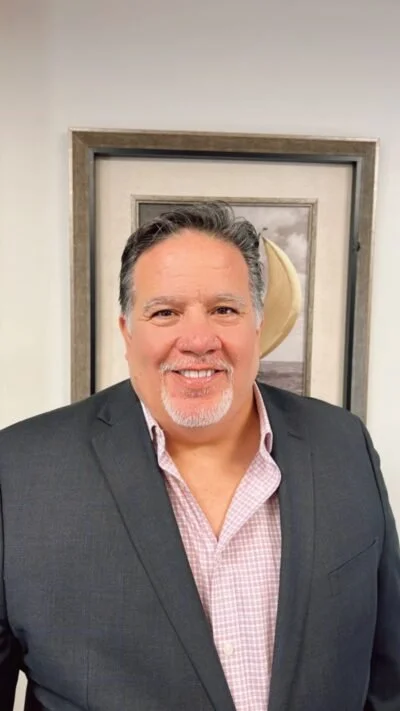
A Practical Guide to Putting Communities in the Driver's Seat
In The Community Power Model Guidebook: A Pathway to Equity, Dr. Hassan Saleheen and Ken Barela lay out seven practical tenets for researchers, practitioners, and policymakers who are ready to move beyond boardroom solutions and build them with communities instead. Grounded in participatory research and social justice scholarship, the guidebook is designed to be brought into real rooms, applied to real work, and held accountable to the communities with the most at stake.
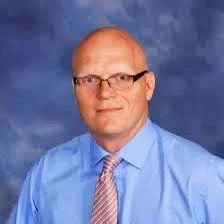
The Grocery Store Was Never Built for You
Our food system is designed to encourage us to behave against our own best interests. It's no wonder that chronic diseases, many of which are preventable, are on the rise. HHC Board Member Bill Heiden discusses the implications.
Case Study Spotlight: Mary’s Center
Case Study Spotlight highlights the remarkable work of our partner organizations. We will feature one initiative that exemplifies innovation, collaboration, and measurable progress in advancing Latino health equity. These stories illustrate how our partners are putting community-powered research into action.
For 38 years, Mary's Center in Washington, DC, has served thousands of participants through an integrated model merging medical care, education, and social services, ranking among the top federally qualified health centers nationwide. In 2019, the Urban Institute validated its approach through a comprehensive year-long study, but five years later, Mary's Center still lacks the resources to demonstrate long-term cost-effectiveness, identify which components drive results, or adapt its model for different communities. Community health organizations across the country face the same challenge: innovating and getting results without research infrastructure to document what works, share lessons, or build evidence for sustainable funding. Each starts from scratch, proving to individual funders what others have already proven.
Moving Forward: A Research Focus Grounded in Community Data and Prevention
As funding environments change, community-based research organizations have an opportunity to clarify where research can have the greatest practical impact. One priority area is the intersection of chronic disease prevention and access to primary care among Hispanic families.
The Authenticity Imperative: Lessons from Bad Bunny's Super Bowl
Following Bad Bunny's record-breaking Super Bowl Halftime Show, a friend asked me what lessons we, as Latinos and advocates, should take away. What does his moment mean for those of us working to make real change?

Integrity in Medicine: Why Community Partnerships Matter
I have practiced medicine long enough to know that integrity does not fail loudly. It fails quietly. It fails when decisions make sense on paper, when timelines feel reasonable, when choices can be justified to colleagues and institutions, and no one closest to the consequences is in the room.